
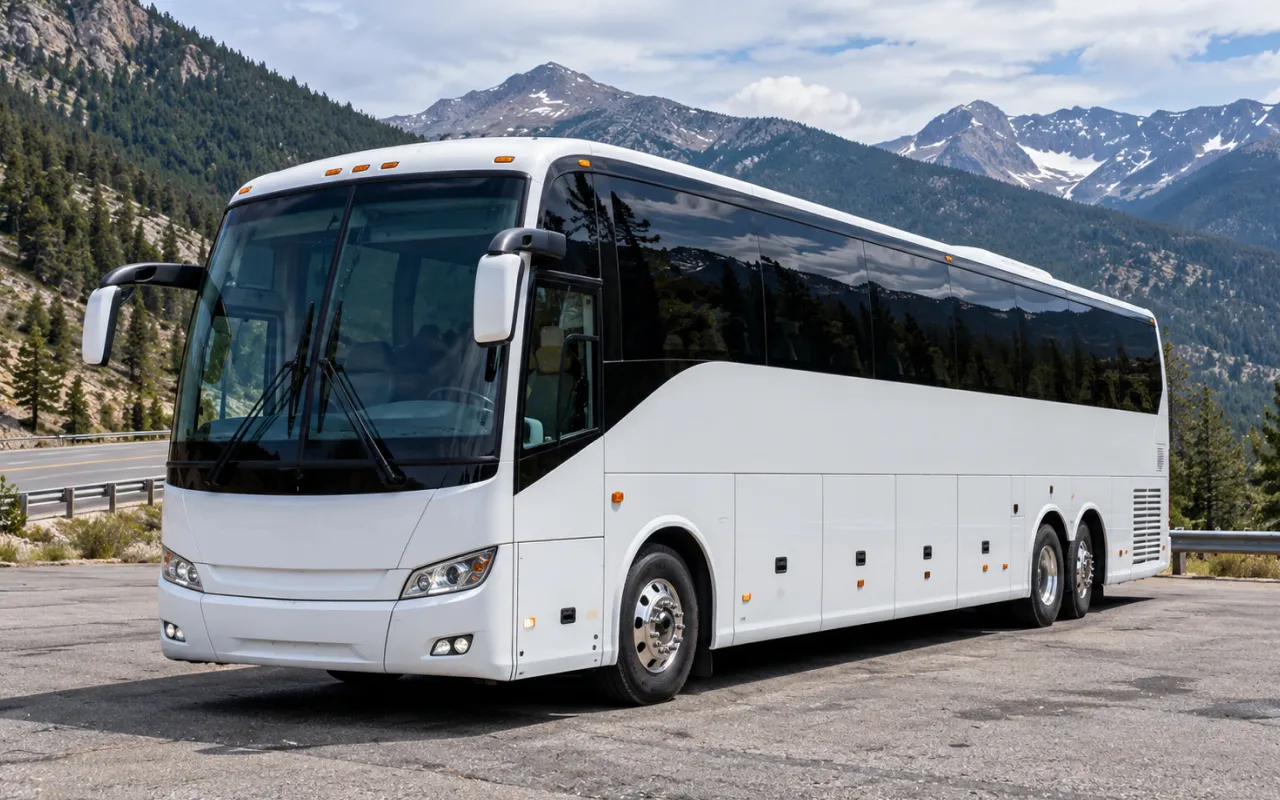
When planning group transportation, choosing the right size vehicle is crucial for comfort, convenience, and cost-effectiveness. Whether you’re arranging a charter bus rental for a large tour or a minibus rental for a small event, this comprehensive guide will help you understand the different bus categories by seating capacity. We’ll explore typical interior and exterior features, seating layouts (forward-facing vs. wrap-around), amenities like A/C and Wi-Fi, and ideal use-cases (weddings, corporate events, airport transfers, sports teams, school trips, and more). Use this guide to match your group’s needs with the perfect bus option for a smooth and enjoyable journey.
Why Vehicle Size Matters
Selecting the appropriate bus size is about more than just fitting everyone on board. It affects your trip’s comfort, logistics, and budget. An excessively large bus for a tiny group can waste fuel and money, and it may face restrictions on narrow city streets or certain venues. On the other hand, a bus that’s too small can lead to cramped seating and insufficient luggage space – a major issue for travelers with bags or sports equipment. The goal is to choose a vehicle that comfortably fits your entire group and gear without excess capacity. Below, we break down the main charter bus and minibus categories by seating capacity, so you can decide which is the best fit for your event.
Sprinter Vans (8–14 Passengers)
Sprinter vans (or similar passenger vans) are the smallest group transport option – perfect for very small groups that are too large for a single car or SUV. Seating: These vans typically seat up to 14 passengers in forward-facing rows (often 2 seats on one side of the aisle and a single seat on the other). Seating is comfortable but not as spacious as a full-size bus; legroom can be limited on full rides. Interior Features: You can expect basic upholstery (usually high-back cloth or leatherette seats) and air conditioning and heating to keep everyone comfortable. There is usually an aisle for easy boarding, but standing height may be modest (most people will need to stoop slightly when moving inside). Exterior: Sprinter vans are compact (about the size of an oversized van) and can easily navigate city streets and fit into normal parking areas – a big plus for airport pickups or urban drop-offs.
Amenities: Sprinter vans offer the essentials. Nearly all have A/C and a sound system; some deluxe versions may include Wi-Fi or USB charging ports, but these are not guaranteed in every van. There is no onboard restroom in a van (these are intended for short trips). Luggage capacity is limited – many Sprinter-style minibuses have a rear storage area or can tow a small trailer. You might accommodate a few suitcases behind the back row or by removing a seat if needed. Keep this in mind if you’re doing an airport transfer with lots of baggage.
Ideal Use-Cases: Airport transfers for small groups, executive transportation, family reunions, or shuttle service for VIPs and speakers are common uses. For example, a Sprinter is great for airport transportation of a dozen people plus their bags. It’s also popular for shuttling wedding parties or small teams to venues, and for local corporate events where a compact vehicle can whisk attendees between hotels and conference sites. Essentially, whenever you have under 15 people and want to keep everyone together, a Sprinter van is a convenient and cost-effective rental.
Minibuses & Shuttle Buses (15–30 Passengers)
“Minibus” or shuttle bus rentals cover a broad category of small buses that typically hold between about 15 and 30 passengers. These vehicles are often built on a cutaway van or small bus chassis and are designed to give a group the feel of a mini coach. Seating Layout: Minibuses generally feature all forward-facing, coach-style seats (no one has to ride sideways) with a center aisle. The seats are usually padded and sometimes reclining, offering more comfort than a school bus seat would. Seating is often 2 and 2 (two seats together on each side of the aisle), though narrower shuttles might have 2 on one side and 1 on the other. There’s usually enough headroom to stand upright (for most adults) while moving to your seat, making boarding easy.
Interior Features: Expect air conditioning and heating as standard, plus overhead lights and speakers for announcements or music. Many minibuses aimed at charter service have amenities resembling a full-size coach on a smaller scale. This can include things like an AM/FM or Bluetooth sound system, a small PA system for a tour guide or host to make announcements, and sometimes overhead luggage racks or storage bins for personal items. Wi-Fi and power outlets may be available on some minibuses as optional upgrades (many charter operators can provide a minibus with Wi-Fi if requested), but these features are not as universally present as they are on large motorcoaches. One thing you typically won’t find is a restroom – minibuses do not have onboard restrooms due to their size. Passengers should plan for pit stops on longer trips.
Exterior and Storage: A minibus looks like a small bus with a single entry door (usually an outward-opening or folding bus door at the front). They are easier to maneuver than full-size coaches, which makes them ideal for busy downtown areas, narrow roads, or venues with tighter access. Most minibuses have modest luggage capacity. Some models offer a rear luggage compartment or space under the seats, but often passengers will keep small luggage on their lap or in the aisle if the bus is full. If you have large suitcases for 20+ people, you might need a separate van for luggage or upgrade to a larger bus that has undercarriage storage.
Amenities: In summary, minibuses focus on comfort and basic tech: cushioned seats (often high-back), climate control, and sometimes TV monitors or DVD players for entertainment on newer models. As mentioned, Wi-Fi and charging ports may be available on higher-end minibuses (e.g. “executive” minibuses) but check with your provider. Don’t expect lavish luxury – think of a minibus as a scaled-down charter bus that balances comfort and practicality.
Ideal Use-Cases: Minibuses are extremely versatile. They are popular for wedding transportation, shuttling guests between ceremony and reception sites or from hotels to the venue. For corporate events or conferences, a 20- to 25-passenger shuttle can move employees or clients in one go, keeping everyone on the same schedule. Airport shuttles for mid-sized groups (for instance, picking up 20 people attending a meeting) are a perfect task for a minibus – it’s small enough for airport roads but big enough to hold everyone and their carry-ons. Minibuses are also a go-to for school field trips or church groups when the group size is a bit smaller; for example, a class of 5th graders on a local museum trip or a youth group outing can travel comfortably together. Additionally, sports teams (small teams or junior varsity squads) can use minibuses for in-state games if a full coach is not necessary. In short, if your group is roughly 15–30 people, a minibus rental keeps everyone together and avoids the caravan of cars scenario, while providing a more intimate setting than a big coach.
Mid-Size Coach Buses (30–40 Passengers)
Mid-size coach buses (often called “mini coaches” or small charter buses) bridge the gap between minibuses and full-size motorcoaches. They typically seat around 30 to 40 passengers, offering many of the comforts of a large charter bus but on a slightly smaller scale. Seating Layout: Like full coaches, these buses have all forward-facing seats, usually in a 2-by-2 configuration with a center aisle. The seats are high-back, cushioned, and often reclining, providing a comfortable ride for each passenger. Because these buses are designed for group travel, every seat has a good view out of large windows – great for sightseeing trips.
Interior Features: A mid-size coach typically includes air conditioning, heating, and ample lighting. The ride quality is closer to a full-size charter bus – smooth and highway-capable for longer distances. Most mid-size coaches come with overhead luggage bins for carry-on items and may have a small rear or undercarriage luggage area for bags. Many also feature one or two TV monitors with a DVD/Blu-ray player or HDMI input for entertainment or presentations on the road. A PA system is usually built-in, allowing a tour guide or trip leader to address the whole bus. Some models of this size may include Wi-Fi and power outlets, especially if they are marketed as “executive coach” for business groups. Restrooms: Buses around the 35–40 passenger size sometimes include a small restroom at the back, but not always – it depends on the model. If a bathroom is important for your trip, be sure to confirm its availability when booking a mid-size bus.
Exterior and Maneuverability: These coaches are mid-length (often around 30–35 feet long). They look like a scaled-down charter bus, with the same touring coach appearance: panoramic windows, a professional paint job (often company-branded or plain white), and usually one or two doors (main passenger door and an emergency door). They are more maneuverable than a 45-foot bus, which can be beneficial in smaller downtown areas or parking lots, but they still require an experienced driver and space to park.
Amenities: To summarize, mid-size charter buses offer comfort and moderate luxury: plush reclining seats with armrests and footrests, climate control, audio-video entertainment, and often optional Wi-Fi/USB chargers for passenger use. They strike a balance between the no-frills minibus and the amenity-rich full coach.
Ideal Use-Cases: Choose a mid-size coach when you have a medium group or want a bit more comfort for a smaller group traveling a longer distance. They’re often used for corporate retreats or off-site meetings when around 30 colleagues need to travel together out of town, providing a comfortable workspace on wheels (some even have tables between seats for meetings). They are also popular for college sports teams or clubs traveling to competitions – a mid-size bus can handle the team plus equipment (like duffel bags or instruments for a marching band) in the storage compartments. For weddings with a medium guest count or multiple wedding parties, a 30-passenger coach can shuttle guests without needing multiple small shuttles. Additionally, if you’re planning a tour or day trip (wine tour, casino trip, sightseeing tour) with a mid-sized group, this bus ensures everyone can relax with tour-level amenities. Essentially, if your group is too large for a 20-seat minibus but doesn’t quite fill a 56-seat motorcoach, a mid-size coach is the perfect compromise.
Full-Size Charter Buses (40–57 Passengers)
Full-size charter buses – also known as motorcoaches or tour coaches – are the large, highway cruiser buses you see transporting sports teams, tour groups, and conference attendees. These are typically the largest vehicles available for charter, usually accommodating anywhere from about 49 up to 56 or 57 passengers in one bus. (Some models can seat as many as 60+ in a high-density layout, but ~55 is most common for charters.) Seating Layout: Full-size coaches have forward-facing reclining seats arranged 2 by 2 with a central aisle. Seats are well-padded (often cloth or leatherette upholstery) and spaced for comfort on long rides. Each seat usually has an armrest, footrest, and can recline for relaxation. The generous legroom and high seatbacks give a comfortable, spacious feel, more akin to airline business class than economy. These buses also have elevated, panoramic windows – great for enjoying scenery on road trips.
Interior Features: Comfort is the hallmark of a charter coach. Almost all full-size charter buses feature climate control, including powerful A/C and heating to keep the interior pleasant in any weather. Overhead you’ll find reading lights and air vents for each passenger. Most coaches come equipped with an onboard restroom at the rear of the bus (a flushing toilet and handwashing station or sanitizer) – a key advantage for long-distance trips. For entertainment, coaches often have multiple flat-screen monitors mounted throughout the cabin and a DVD or media system, so you can play movies or slideshows. A microphone/PA system at the front allows a tour guide or group leader to speak to everyone clearly. Modern charter buses typically offer Wi-Fi access and power outlets or USB ports as well, enabling passengers to stay connected and charge devices during the journey. Another perk is the ample overhead storage bins above the seats for small bags, jackets, and personal items.
Exterior and Storage: Full-size coaches are about 40–45 feet long, with a high-deck design. From the outside, you’ll notice large tinted windows and baggage bay doors along the lower side – those lead to the undercarriage luggage compartments, which can hold a significant amount of baggage or equipment. In fact, one full-size charter bus can often carry enough luggage for each of its 50+ passengers, making it ideal for big groups traveling with suitcases (like conventions or sports teams). The bus typically has a wide, coach-style entry door and sometimes a second door toward the middle or rear (though many charter models just have the front door). Accessibility: Many full-size coaches can be equipped with wheelchair lifts and have a few wheelchair-accessible seating positions if needed (you’d arrange this in advance, as installing a lift may slightly reduce total seating).
Amenities: In summary, a full-size charter bus offers premium amenities for group travel: comfortable high-backed individual seats (no bench seating here), strong climate control, onboard restroom, extensive storage, and often entertainment and connectivity (TV screens, Wi-Fi, power outlets). It’s like a first-class travel lounge on wheels, designed to make even multi-hour rides as pleasant as possible.
Ideal Use-Cases: Full-size charter buses are best for large groups or anytime comfort is a top priority. If you’re organizing a school trip or college tour with 40–50 students and teachers, a charter bus keeps everyone together and safe, with the bonus of a restroom for convenience on highway drives. Corporate event planners frequently use charter coaches to move big groups of attendees, say for a conference or an off-site meeting – everyone arrives at once and on time, without worrying about individual transport. Sports teams (professional or collegiate) almost always travel by motorcoach for away games: these buses have the storage for equipment and the spacious seating athletes appreciate for resting on the road. Weddings with a large guest list often rely on a charter bus (or a fleet of them) to shuttle guests from hotels to the venue – a 56-passenger coach can significantly cut down the number of trips needed compared to smaller shuttles. Additionally, charter buses are ideal for long-distance group tours (multi-city sightseeing tours, cross-country trips) and overnight travel, since they offer the most comfort and amenities for the journey. Essentially, anytime you have a big group (40-57 people) and you want a single vehicle with top-notch comfort and full amenities, a charter bus rental is the go-to solution.
Party Buses (10–30 Passengers, Wrap-Around Seating)
For certain special events, you might consider a party bus, also known as a limo bus. These are unique in that their seating layout and purpose differ from standard charter coaches. Seating Layout: Party buses typically feature wrap-around, perimeter seating — benches that line the walls of the bus in a U-shape or lounge configuration, instead of forward-facing rows. This creates an open floor in the center, almost like a mobile lounge. The wrap-around leather seating lets passengers face each other, making it easy to socialize, dance, or enjoy refreshments. Because of the perimeter seating, the passenger capacity is usually a bit lower (you can’t fit as many seats when they’re against the walls), commonly accommodating anywhere from about 10 up to 25–30 people depending on the bus size and interior setup.
Interior Features: Party buses are all about entertainment. The interiors are often equipped with colorful LED or laser lighting, sound systems with surround-sound speakers, and sometimes even extras like flat-screen TVs, dance poles, or a small bar area for drinks. You can expect a Bluetooth or AUX audio hookup to play your own music, and some buses have disco-style lights or strobe effects to create a nightclub vibe. Climate control is still standard (A/C and heat to keep the cabin comfortable). The windows are usually heavily tinted or even blacked-out for privacy (and to keep the party atmosphere). Unlike standard minibuses, party buses generally do not have a restroom on board – the focus is on short, fun trips with planned stops if needed.
Exterior: From the outside, a party bus might look similar to a large van or bus, often painted in flashy colors or black/white with possible graphics. They usually have one main entry door. Some are converted from mini coaches or school buses, so sizes vary. They don’t have the external luggage bays since they are built for local cruising rather than travel with luggage.
Amenities Recap: In a party bus, comfort takes a backseat to fun and socializing. You still get cushioned seats (usually leather or vinyl), A/C, and maybe small coolers or cupholders, but the standout amenities are the wrap-around seating for easy mingling, high-end audio and lighting systems, and the overall lounge atmosphere. It’s essentially a mobile party venue rather than a point-to-point transport vehicle.
Ideal Use-Cases: Party buses are perfect for celebrations and nightlife events. If you’re organizing a bachelor or bachelorette party, a birthday outing, or a friends’ night on the town, a party bus keeps the fun going between stops (and ensures no one in your group has to drive). They are popular for prom groups as well – teens can celebrate together safely under a chauffeur’s watch while enjoying a club-like setting on the way to the prom. Some corporate or convention planners even use party buses for entertaining clients or team-building nights, since the wrap-around seating is also great for socializing or networking in a relaxed setting. And for certain weddings, a party bus might serve as the bridal party’s transportation, allowing the bride, groom, and their entourage to celebrate with champagne and music en route to the reception. In short, if the journey is part of the fun and you have a relatively small group (a dozen to a few dozen people), a party bus is the vehicle of choice.
School Buses (Up to 40–50 Children or ~30 Adults)
For local trips and budget-conscious groups, school bus rentals can sometimes be an option. Many charter companies or school districts offer classic yellow school buses or their modern equivalents for private hire on short trips. Seating Capacity: A standard school bus typically has around 22–30 bench seats. Each bench can seat 2 adults or 3 small children. That translates to roughly 44-48 children or about 30 adults at max capacity per bus (capacity can vary by bus length). Seating Layout: All seats face forward in rows, but unlike coach buses, these are bench seats (usually a simple padded vinyl bench with a low back) and there are no armrests or recline functions. There is a center aisle for boarding. The ride is higher off the ground with big windows on both sides – great for visibility and a classic school trip feel.
Interior Features: School buses are no-frills by design. They prioritize safety and efficiency for short rides. Do not expect A/V entertainment systems or lavish comfort. The seats are generally designed for children – they have a higher, impact-absorbing back to create a safe “compartment” for kids, and most lack seatbelts (relying on the compartmentalization safety approach). Climate control: Many school buses nowadays do have basic heating for winter and some may have air conditioning, but not all – if AC is important (e.g. a summer trip in a hot climate), ensure you request a bus that has it. Windows slide down for ventilation the old-fashioned way. There is no restroom on board and minimal padding on seats, so comfort is limited on longer drives.
Exterior: The iconic yellow (or sometimes white) school bus is instantly recognizable. It has a front or mid body entry door and high ground clearance. These buses are sturdy and designed for city streets and backroads alike, but they typically do not have luggage compartments – any backpacks or gear have to be carried on and held or placed on the floor/empty seats. Some school buses can be equipped with a wheelchair lift and have spaces for securing wheelchairs (special needs buses), though that reduces overall seating.
Ideal Use-Cases: School buses are best for short, local trips with budget in mind. They are frequently used for actual school field trips, summer camps, or youth sports where saving money is a priority and the trip distance is not too far. Community organizations, parks and recreation departments, and budget-conscious event planners might use school buses to shuttle people for events like fairs, volunteer projects, or local tours. For example, if you’re organizing a neighborhood outing to a nearby park or a shuttle from a church to a community center, a school bus could be an economical choice. However, for long-distance travel or formal events, school buses are less ideal – adults generally prefer the comfort of a coach bus for anything more than a short ride. That said, if you have a casual wedding or event and just need an inexpensive way to move 40 people a few miles (and everyone’s okay with basic accommodations), a school bus does the job. Always weigh the trade-off: cost vs. comfort. School buses shine in cost-effectiveness and safety, but charter buses win on comfort and amenities.
Tips for Choosing the Right Bus
Now that you know the categories of buses and their features, here are a few final tips to help you choose the perfect vehicle for your needs:
Match Group Size to Bus Size: First, get a solid headcount of passengers. Aim to pick a bus where your group will fill most of the seats, without being too crowded or leaving dozens of empty seats. For example, if you have 25 people, a 25-30 passenger minibus is ideal; putting 25 people on a 56-passenger coach would work, but you’d be paying for a lot of unused space. Conversely, don’t try to squeeze 30 people into a 20-seat bus – always leave a buffer for at least a few extra seats so nobody is left standing. Remember to count drivers/guides or chaperones in your total.
Consider Trip Distance and Duration: For short in-town shuttles (a 10-minute ride, for instance), a basic bus is fine. But for longer trips (multiple hours or more), comfort amenities become important. If you’re driving a sports team six hours to a tournament, those reclining seats, extra legroom, and onboard restroom of a charter bus will be greatly appreciated. For a quick 2-mile shuttle from a hotel to a wedding venue, a minibus or even school bus can suffice since riders won’t be on board long.
Amenities and Special Features: Identify any must-have amenities for your group. Do you need Wi-Fi for a mobile workforce to stay connected? Are power outlets necessary for a tech-savvy group? Is an onboard bathroom a must for a field trip with young kids or an elderly group? Make sure to choose a vehicle that offers those features. Charter buses generally come with the most amenities (restroom, Wi-Fi, power, TVs), while minibuses offer basic comforts (A/C, padded seats, sometimes entertainment) and school buses the fewest. If your trip is in hot weather, ensure your vehicle has A/C (especially important for school buses or older minibuses).
Luggage Needs: Think about how much luggage or equipment your group will have. A band or a sports team will have lots of gear – a full-size coach with undercarriage storage is suited for that. A group of business travelers with just carry-ons might be fine in a minibus with overhead racks. If in doubt, err on the side of a slightly larger bus for trips with luggage, or inquire about a trailer or separate luggage vehicle. It’s no fun having suitcases jammed in the aisle or leaving items behind due to lack of space.
Venue and Route Considerations: Consider where the bus needs to go. Large charter buses require more clearance and space to turn around. If your itinerary involves narrow roads, small venue parking lots, or winding mountain routes, discuss this with the bus company. They might recommend a smaller bus for easier access. For instance, if you’re doing a winery tour on winding backroads or a downtown hotel pickup, a minibus could navigate more easily than a 45-foot coach. Always let your transportation provider know if there are any tight spots on the route.
Budget: Finally, align your choice with your budget. As a rule of thumb, bigger buses cost more to rent and to fuel. If you’re on a tight budget, use the smallest vehicle that comfortably fits your group. Minibuses and school buses tend to be more economical than full-size coaches. However, also weigh the value of certain amenities – if spending a bit more on a coach with a restroom saves you from making multiple pit stops (and losing time), it could be worth it. Many rental platforms let you compare costs between bus types easily.
By considering all these factors – group size, trip length, amenities, luggage, route, and budget – you can confidently choose between a charter bus, minibus, or other vehicle and ensure your group transportation goes off without a hitch. With the right bus, your journey will be safe, comfortable, and perfectly suited to your group’s needs. Enjoy your trip, and ride easy knowing everyone is in the right vehicle for the job!
Sources: The seating capacities and feature descriptions above are informed by industry guidelines and charter providers, ensuring you get up-to-date and accurate information for planning your next group outing.